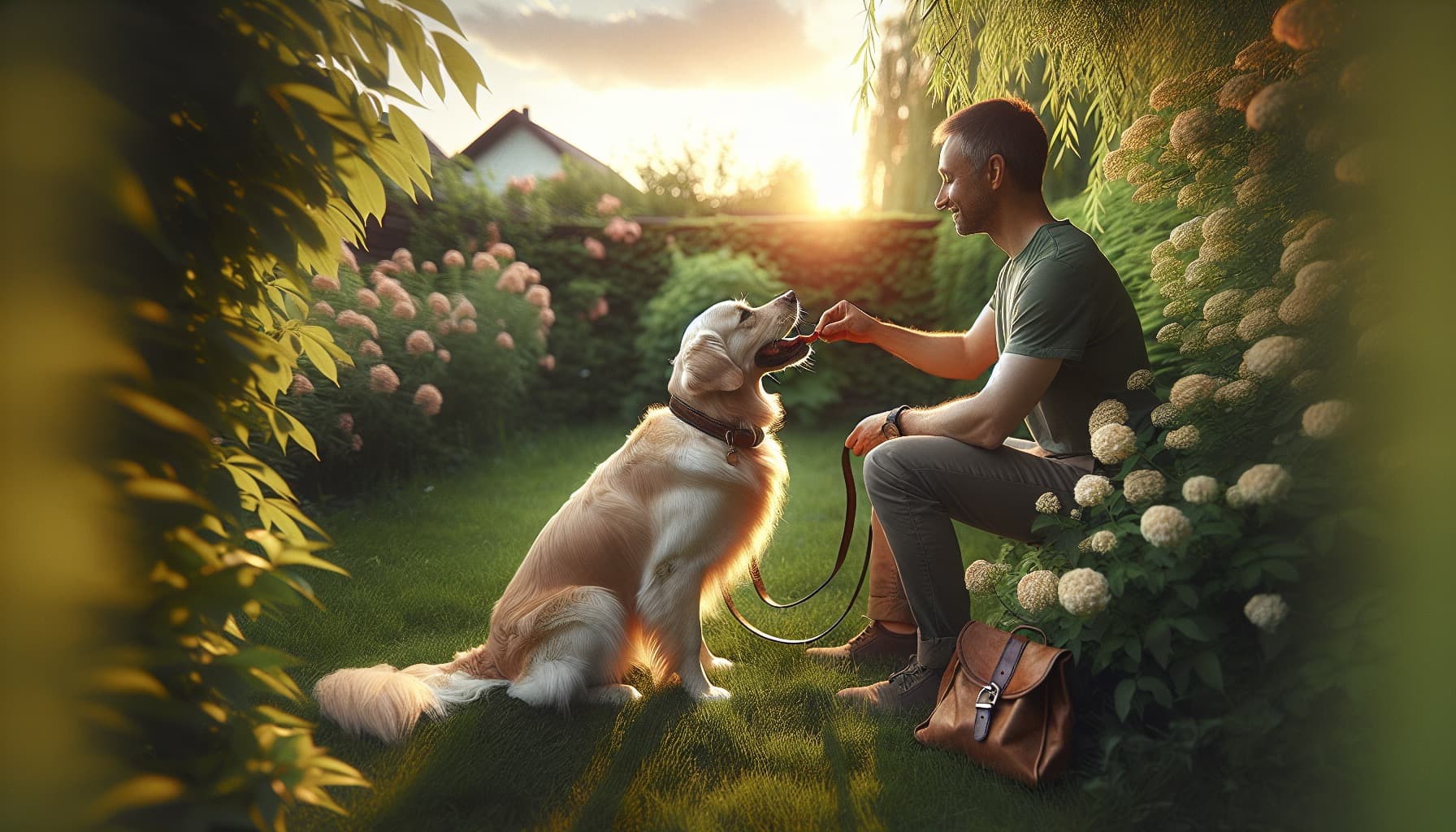
The Complete Dog Training Guide
Every breed learns differently. Discover training techniques tailored to your dog's size, energy level, and natural instincts -- backed by positive reinforcement science.
Why Breed-Specific Training Matters
A Border Collie and a Basset Hound might both be loyal family dogs, but they could not be more different when it comes to learning. The Collie thrives on complex tasks and rapid repetition, while the Basset responds best to patient, scent-based engagement. Training that ignores these differences wastes your time and frustrates your dog.
Breed-specific training works with your dog's genetics, not against them. Herding breeds need jobs to do. Terriers need outlets for their tenacity. Retrievers need structure for their boundless enthusiasm. When you understand what your dog was bred to do, you can channel those instincts into obedience, manners, and a deeper bond.
Our guides cover 82 breeds with tailored techniques for each one -- from the first day home to advanced behavior shaping. Whether you have a puppy or an adult rescue, you will find actionable, positive-reinforcement methods that match your dog's unique temperament.
5 Training Fundamentals That Apply to Every Breed
Positive Reinforcement
Reward desired behaviors with treats, praise, or play. Dogs learn faster and retain training longer when they associate commands with positive outcomes rather than punishment.
Consistency
Use the same commands, hand signals, and rules every time. When all family members enforce the same expectations, dogs learn boundaries faster and feel more secure.
Timing
Mark desired behaviors within 1-2 seconds using a clicker or verbal marker like "yes." Precise timing helps your dog connect the action to the reward, accelerating the learning process.
Patience
Every dog learns at a different pace. Short, frequent sessions (5-15 minutes) prevent frustration for both you and your dog. End each session on a positive note, even if you have to return to a simpler command.
Environment
Start training in a low-distraction space, then gradually introduce more challenging environments. A dog that reliably sits in your living room may need separate practice to sit at the park.
Browse by Breed
Training guides for the most popular breeds
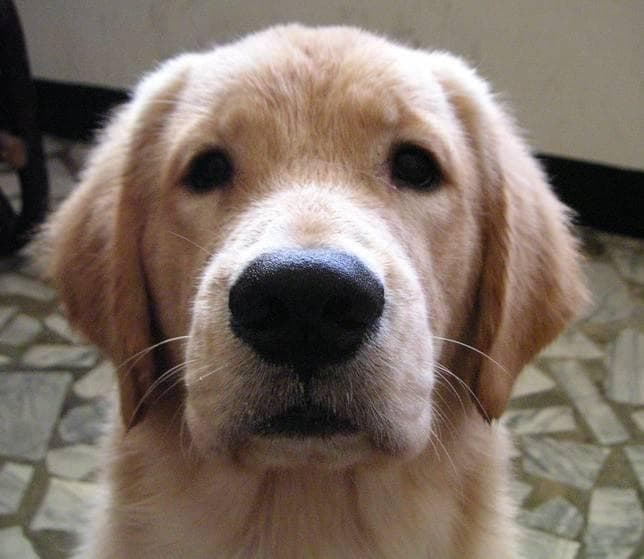
Golden Retriever
eager to please but easily distracted by smells and people
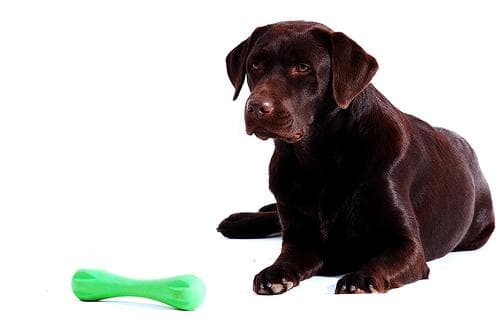
Labrador Retriever
high-energy and food-obsessed with boundless enthusiasm for everything
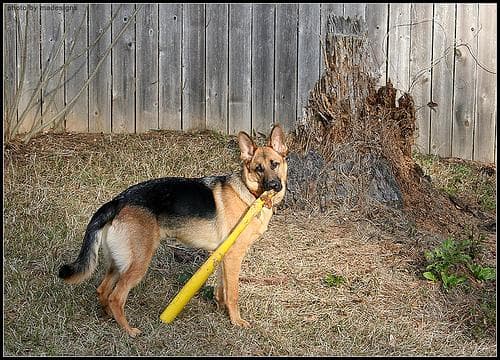
German Shepherd
highly intelligent and protective with a strong drive to work and guard their family

French Bulldog
charming and affectionate but notoriously stubborn and easily overheated
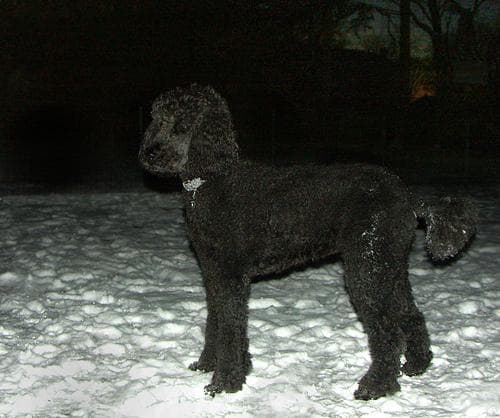
Poodle
exceptionally intelligent and sensitive, quick to learn both good habits and bad ones

Beagle
scent-driven and pack-oriented with a one-track mind when a smell catches their attention

Rottweiler
powerful and loyal with a natural guarding instinct that requires confident, consistent leadership
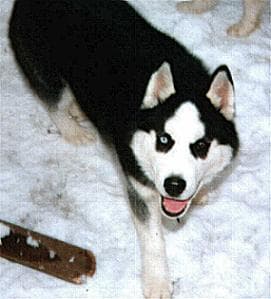
Siberian Husky
fiercely independent and athletic with an unshakable desire to run and a famous stubborn streak
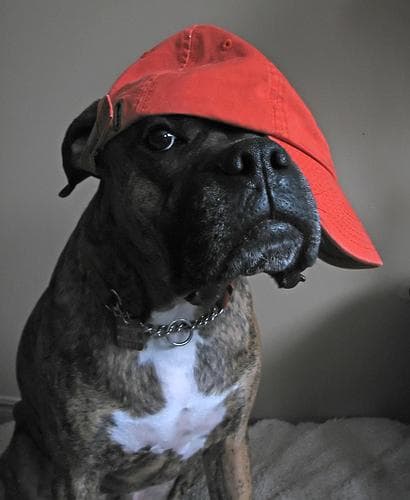
Boxer
goofy and energetic with a puppy-like enthusiasm that persists well into adulthood and a powerful build that makes bad manners dangerous

Dachshund
bold and stubborn with a big-dog attitude in a small body, originally bred to hunt badgers underground

Doberman Pinscher
fiercely loyal and exceptionally intelligent with a sensitive nature hidden behind an imposing exterior
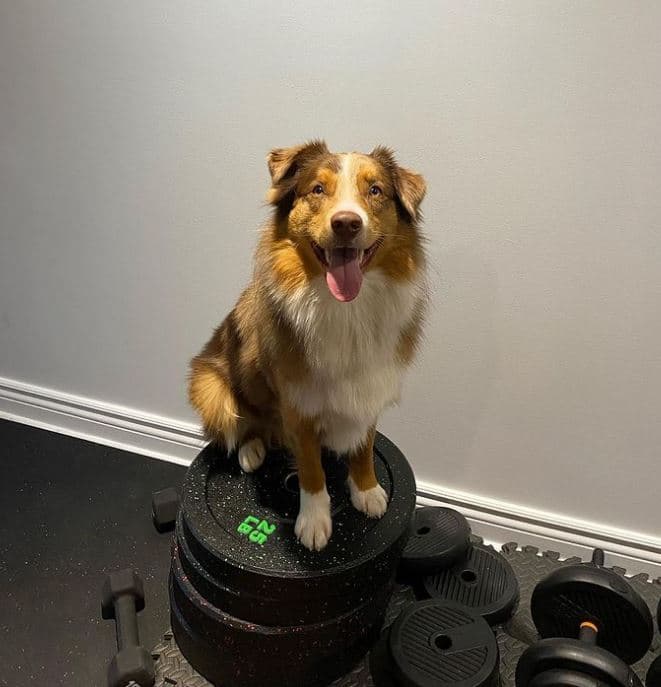
Australian Shepherd
brilliantly intelligent and intensely driven with a tireless work ethic that demands daily mental and physical challenges
Training by Dog Size
Training by Energy Level
Frequently Asked Questions
When should I start training my dog?
Start basic training as early as 8 weeks old. Puppies are like sponges during the critical socialization window (8-16 weeks), making this the ideal time to introduce name recognition, sit, and gentle handling. For older dogs, it is never too late -- adult dogs can absolutely learn new behaviors, though it may take more patience to replace established habits.
How long should each training session last?
Keep sessions between 5-15 minutes for most dogs. Puppies under 6 months do best with 5-minute sessions, while adult dogs can handle 10-15 minutes of focused training. Multiple short sessions throughout the day are more effective than one long session. Always end on a success, even if it means asking for a simple command your dog already knows.
Does my dog's breed really affect how they should be trained?
Yes, breed significantly influences training approach. Herding breeds like Border Collies need mental stimulation and structured tasks. Scent hounds like Beagles may require extra patience with recall training since their noses can override their ears. Guardian breeds like Rottweilers respond best to calm, confident leadership. Understanding your breed's instincts helps you work with their nature rather than against it.
What is the best method for training a stubborn dog?
Most "stubborn" dogs are actually unmotivated or confused. First, find what motivates your dog -- some breeds are food-driven, others prefer toys or praise. Break commands into smaller steps so your dog can succeed more often. If your dog consistently ignores a command, they may not fully understand what you are asking. Go back to basics, increase the value of the reward, and reduce distractions.
How do I stop my dog from pulling on the leash?
Stop walking the moment the leash goes tight and wait for your dog to look at you or the leash to slacken. Then reward and continue walking. High-energy breeds may benefit from a front-clip harness during training. Practice in low-distraction areas first, and remember that a 10-minute focused leash-training walk is more valuable than an hour-long walk where your dog pulls the entire time.
Should I use treats or praise for training rewards?
Use both strategically. Start with high-value treats (small, soft pieces) when teaching new commands, then gradually transition to verbal praise and intermittent treat rewards as behaviors become reliable. Some working breeds are more play-motivated, so a quick game of tug can be a powerful reward. The key is finding what your specific dog values most and using it consistently.
Can I train an older or rescue dog?
Absolutely. Older and rescue dogs can learn new behaviors at any age. The process may take slightly longer if the dog has ingrained habits or past trauma, but positive reinforcement methods work across all ages. Rescue dogs often bond deeply through training, as it builds trust and communication. Start with basic obedience and let the dog set the pace for building confidence.
How do I socialize my dog safely?
Introduce your dog to new people, animals, sounds, and environments gradually and positively. For puppies, prioritize safe interactions during the 8-16 week socialization window. For adult dogs, watch for stress signals (lip licking, whale eye, tucked tail) and never force interactions. Parallel walks with calm, friendly dogs are a low-pressure way to build social confidence. Reward calm behavior around triggers rather than flooding your dog with too much too soon.
Find Your Breed's Training Guide
Search our library of 82 breed-specific training guides to find techniques matched to your dog's unique temperament and needs.
Browse All Breeds