
Natural Remedies: Evidence-Based Approaches to Common Ailments
Not all natural remedies are snake oil — some are backed by serious science. Here's what actually works and what's wasting your money.
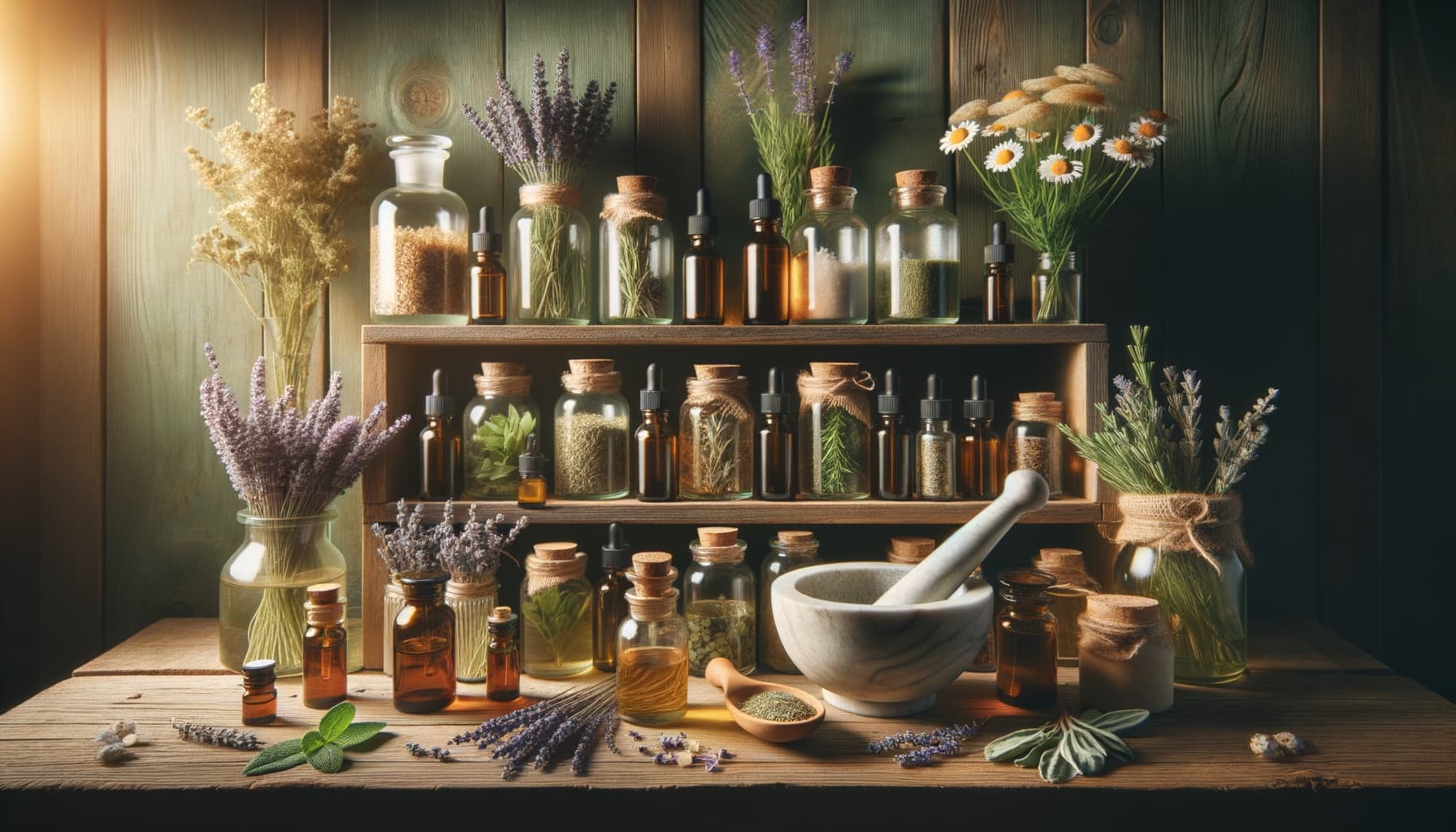
Herbal medicine, home treatments, and holistic health
Not all natural remedies are snake oil — some are backed by serious science. Here's what actually works and what's wasting your money.

That humble cup of chamomile does more than you think. Here's how this ancient flower fights insomnia and anxiety, backed by real science.

Turmeric's golden compound curcumin fights inflammation at the molecular level. Here's why your latte habit might actually be onto something.

Valerian root smells like old gym socks but might be nature's best sleeping pill. Here's what 30+ clinical trials say about this ancient sedative.

Ashwagandha has been Ayurveda's worst-kept secret for 3,000 years. The cortisol-lowering data is finally catching Western medicine's attention.
Your liver processes everything you eat, drink, breathe, and regret. Milk thistle's silymarin might be the backup it's been waiting for.

The oldest tree species on Earth might sharpen your aging brain. Ginkgo biloba's circulation-boosting effects have serious cognitive science behind them.

Echinacea is the most popular cold remedy in herbal medicine. But does it actually prevent colds, or just make you feel proactive? The data is surprising.

St. John's Wort rivals SSRIs in clinical trials for mild depression. But its drug interaction list is so long it deserves its own pharmacology course.

Ginger root has been settling stomachs for 5,000 years. Modern research confirms it rivals prescription anti-nausea drugs in some clinical scenarios.

Half of men over 50 have prostate enlargement symptoms. Saw palmetto has been the go-to herbal response for decades, but the research tells a nuanced story.

Soviet scientists kept rhodiola secret for decades as a performance enhancer. The declassified research on fatigue resistance is remarkably compelling.

Too wired for chamomile, not ready for valerian? Passionflower occupies the sweet spot for anxiety and sleep support, and the clinical data backs it up.

Elderberry syrup cut cold and flu duration by 4 days in key studies. Here's how to use it properly and avoid the one dangerous mistake.

Peppermint oil is one of the few herbal remedies gastroenterologists recommend. For IBS, the evidence rivals prescription options.

Hot flashes, night sweats, mood swings -- black cohosh has been the herbal answer to menopause for decades. Here's what the research actually supports.

Sacred in India, studied in labs worldwide -- tulsi tackles stress and blood sugar through mechanisms most adaptogens can't touch.

The plant that stings you on hikes might be the best natural antihistamine in your garden. Nettle leaf's allergy and joint pain data is surprisingly solid.

Licorice root heals gut lining and soothes digestion beautifully. It can also spike your blood pressure to dangerous levels. Both facts matter equally.

Hawthorn berry has been Europe's cardiac herb for centuries. Modern trials show measurable improvements in heart failure symptoms and blood pressure regulation.

Feverfew has been the herbal world's migraine fighter since the 1980s. The prevention data is solid, but only if you understand what it can and cannot do.
The honey-lemon combo your grandmother swore by has real science backing it up. Here's what the research actually says about soothing sore throats.
ACV has a cult following and a reputation that outpaces its evidence. Here's what apple cider vinegar actually does, backed by real research.
A half-teaspoon of salt in warm water might be the cheapest, fastest sore throat fix in your kitchen. Here's the science behind why it works.

Baking soda lives in nearly every kitchen cabinet, but its reputation as a cure-all needs a reality check. Here's what sodium bicarbonate can and can't do.
Grabbed ice for a sprain? Heat for a fresh injury? You might be making it worse. Here's the definitive guide to knowing when cold or heat actually helps.
Colloidal oatmeal is FDA-recognized for a reason. Here's why soaking in breakfast cereal might be the best thing you do for eczema and angry, itchy skin.
Garlic has been fighting infections since before penicillin existed. But calling it a 'natural antibiotic' is both partly right and dangerously misleading.
Epsom salt baths are a beloved recovery ritual, but the magnesium absorption claims are shaky. Here's what actually happens when you soak in MgSO4.
Coconut oil went from tropical fat to miracle substance in a decade. The truth is more nuanced -- brilliant for some things, terrible for others.
That spiky plant on your windowsill is a legitimate first-aid tool for minor burns. Here's how aloe vera actually heals skin, backed by burn unit research.

Breathing steam for congestion is ancient, intuitive, and effective -- when done safely. The burn risk is real though. Here's the right way to do it.

Cranberry juice for UTIs is one of the most persistent health claims alive. The truth: it's better at prevention than cure, and the dose matters enormously.

Your grandmother's warm milk before bed wasn't wrong -- it just wasn't right for the reasons she thought. The real sleep science is more interesting.

Witch hazel has been a medicine cabinet staple since colonial America. It's a legit astringent with real dermatology uses -- and a few limits worth knowing.

Bone broth became a $3 billion industry on promises of glowing skin and healed guts. The nutrition is real but modest. Here's what it can and can't deliver.

Pouring saltwater through your nose sounds unhinged until you realize ENT doctors prescribe it. Here's the safe way to irrigate sinuses and why it works.

That satisfying fizz when hydrogen peroxide hits a scrape? It's killing your healthy cells too. The wound care consensus has shifted dramatically.

Cinnamon can lower fasting blood sugar by 10-25 mg/dL in some studies. That's meaningful -- if you use the right type and don't abandon your medication.

Tea tree oil rivals benzoyl peroxide for mild acne with fewer side effects. But concentration matters -- undiluted is a burn risk.

The BRAT diet was pediatric gospel for decades. Then gastroenterologists quietly walked it back. Here's what replaced it and what still holds up.

Lavender oil does more than smell nice. Here's what the science actually says about its calming powers and how to use it without wrecking your skin.

That nose-clearing wallop from eucalyptus oil isn't imaginary. Here's why 1,8-cineole actually works on your airways and how to avoid chemical burns.

Tea tree oil kills bacteria in a petri dish like a champion. On your face? That requires strategy. Here's the dilution math nobody bothers to teach you.

A dab of peppermint oil on your temples works as well as Tylenol for tension headaches. That's not marketing -- it's a clinical trial from 1996.

Frankincense has 5,000 years of hype behind it. Modern science is finally catching up, and the results are more complicated than the Instagram posts suggest.

Rosemary oil might sharpen your brain and thicken your hair. The evidence for both is surprisingly legit. Here's how to use it without frying your scalp.

Essential oils are concentrated plant chemicals, not gentle botanical hugs. Here's the safety guide the bottle label doesn't give you.
Clove oil numbs tooth pain because it contains a natural anesthetic that dentists have used for centuries. But there's a catch -- actually, several.

Lemon oil lifts your mood and destroys kitchen grease. It also destroys your skin if you wear it in the sun. Balancing these truths is the whole game.